



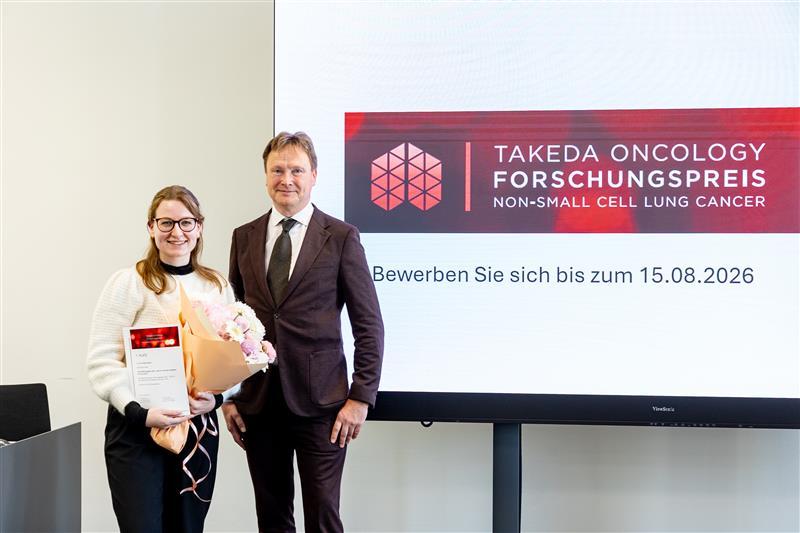
1. Platz: 20.000 €
Dr. Sophia Stock, München:
Anti-P329G adapter CAR T cells for modular targeting of lung cancer
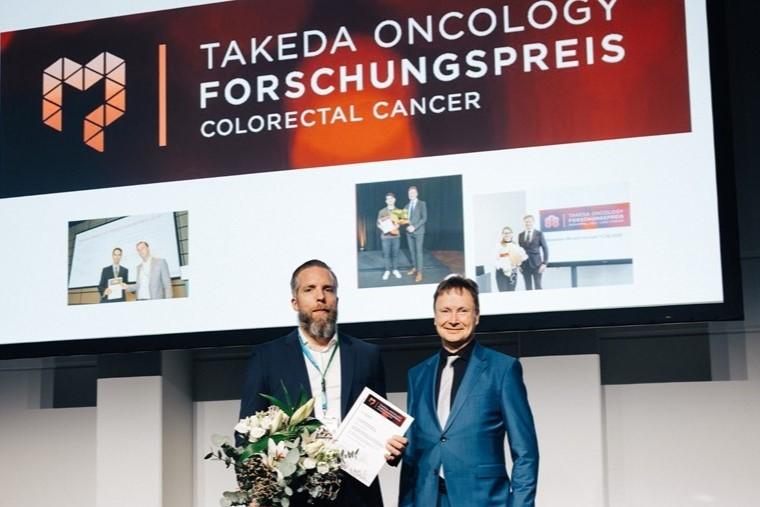
1. Platz: 20.000 €
Herr Dr. Robert Hüneburg und Herr Prof. Dr. Jacob Nattermann:
From Adenoma Detection to Long-term Outcomes: Integrated Prevention Research in Lynch Syndrome
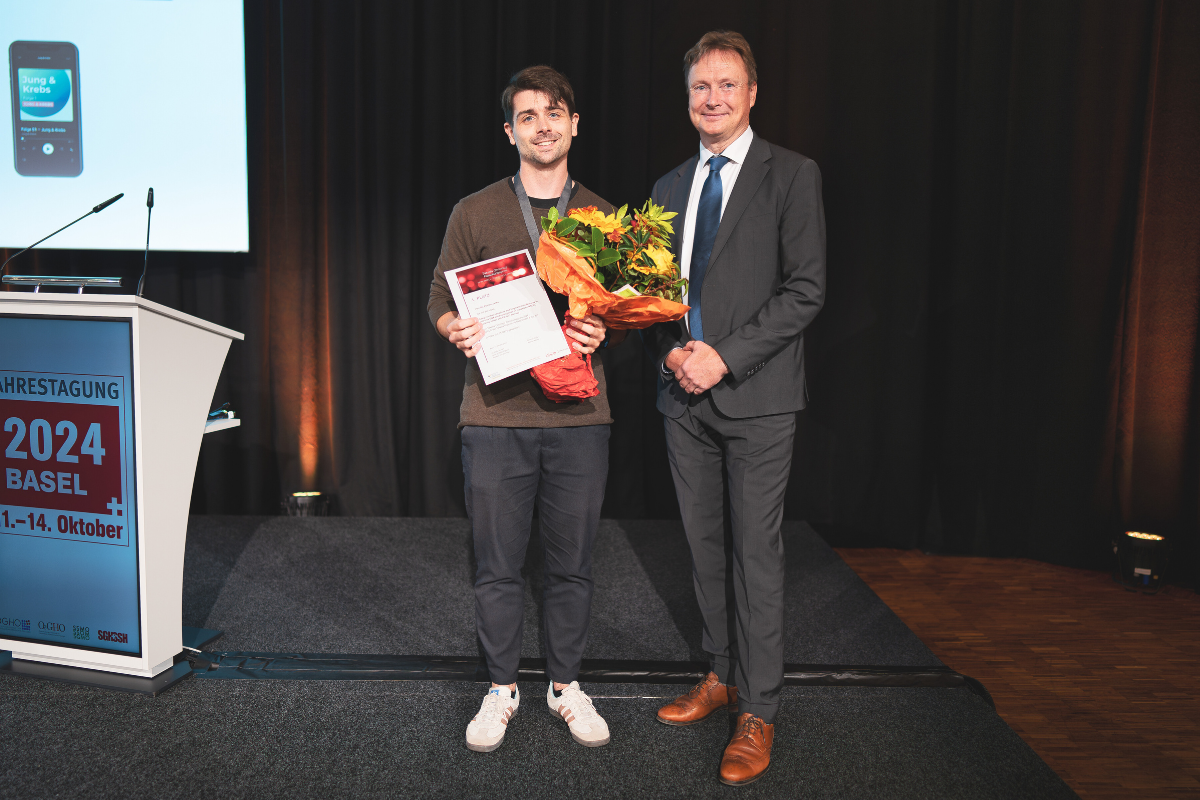
1. Platz: 15.000 €
Dr. Florian Janke, DKFZ Heidelberg:
Copy number variations and fragmentation features in cell-free DNA predict response in metastatic NSCLC patients under anti-PD-(L)1 therapy
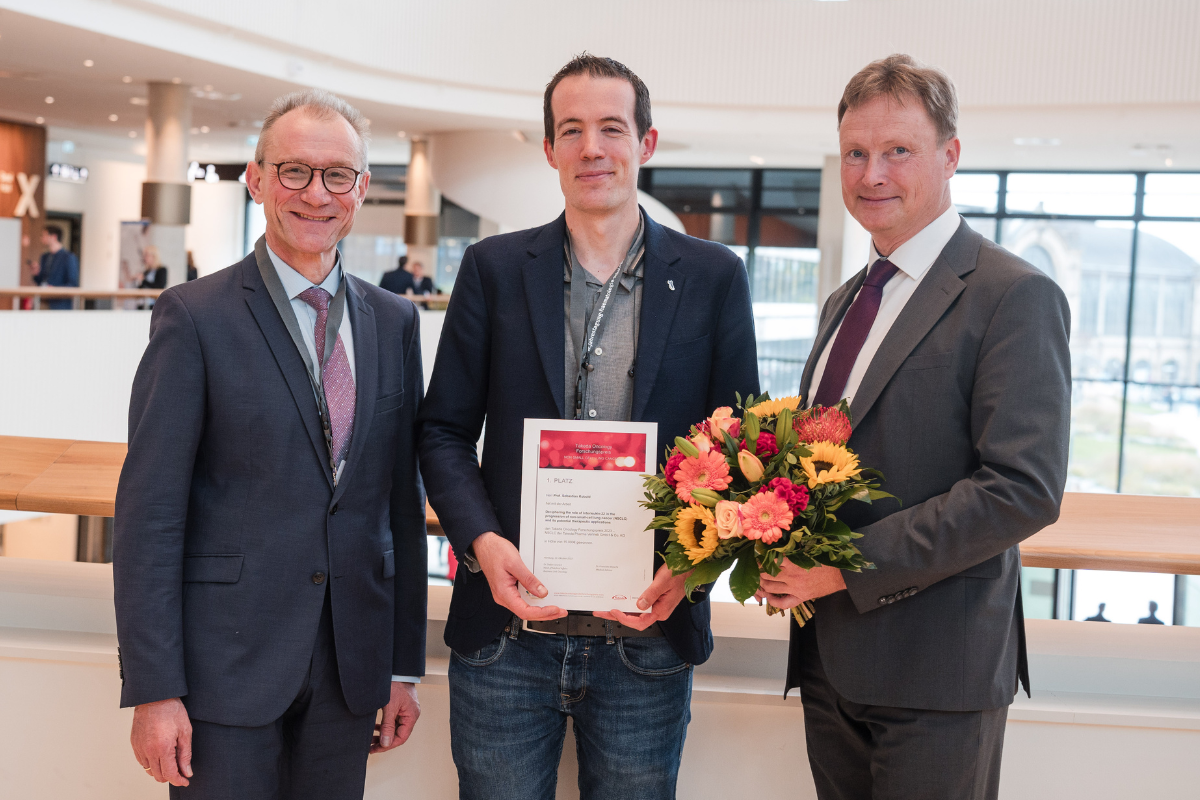
1. Platz: 15.000 €
Prof. Sebastian Kobold, Ludwig-Maximilians-Universität München:
Deciphering the role of Interleukin-22 in the progression of non-small-cell lung cancer (NSCLC) and its potential therapeutic applications
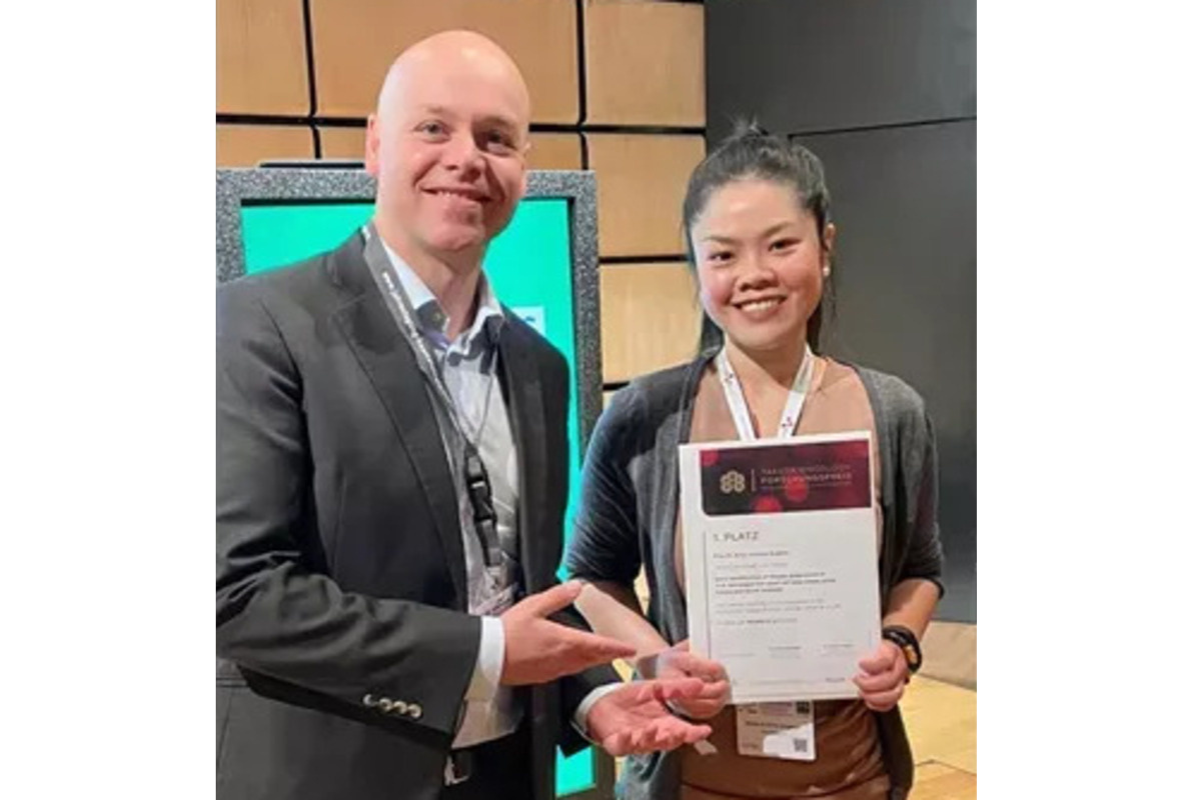
1. Platz: 30.000 €
Dr. Arlou Kristina Angeles, DKFZ Heidelberg:
Early identification of disease progression in ALK-rearranged non-small cell lung cancer using plasma and serum analytes

1. Platz: 30.000 €
Dr. Mohamed Mahde Saleh, Universitätsklinikum Bonn, und PD Dr. Matthias Scheffler, Universitätsklinikum Köln:
Comprehensive Analysis of TP53 and KEAP1 Mutations and Their Impact on Survival on Localized and Advanced Stage Non-Small Cell Lung Cancer
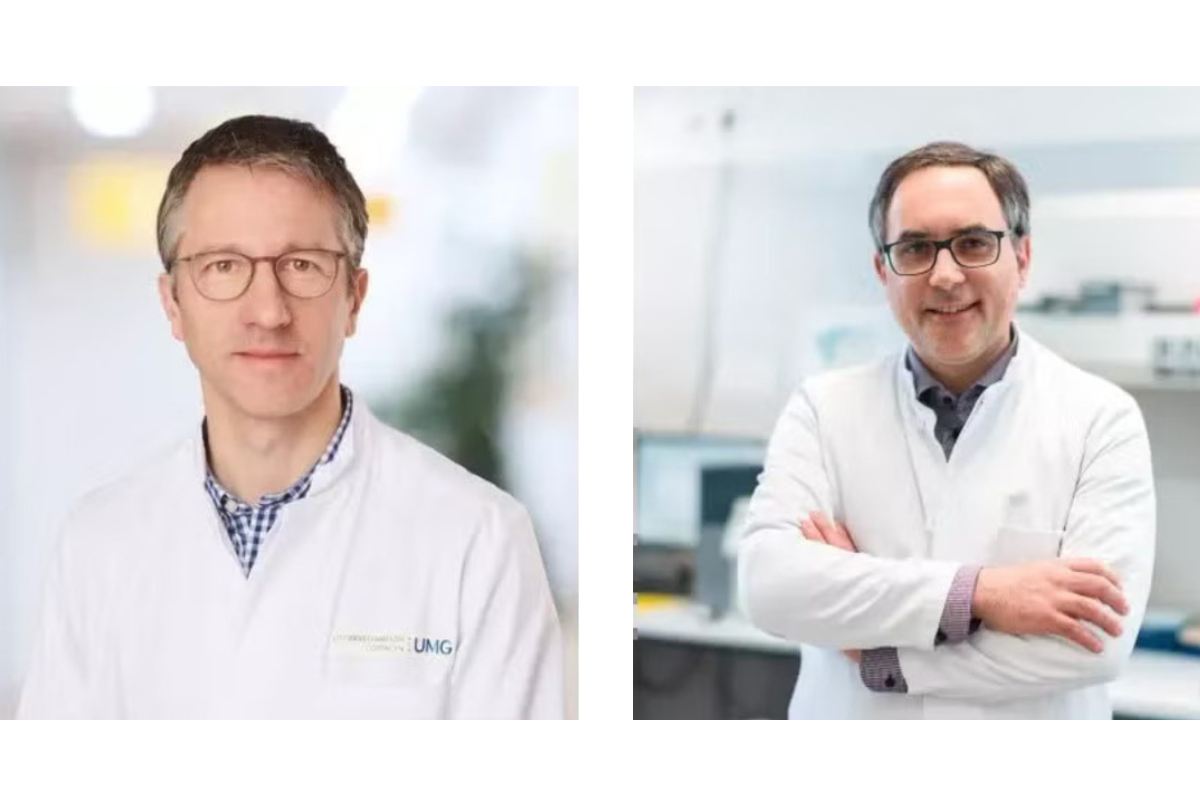
1. Platz: 30.000 €
Dr. Tobias Overbeck, Universitätsmedizin Göttingen, und Professor Dr. Hans-Ulrich Schildhaus, Universitätsklinik Essen:
Top-level MET gene copy number gain defines a subtype of poorly differentiated pulmonary adeno-carcinomas with poor prognosis
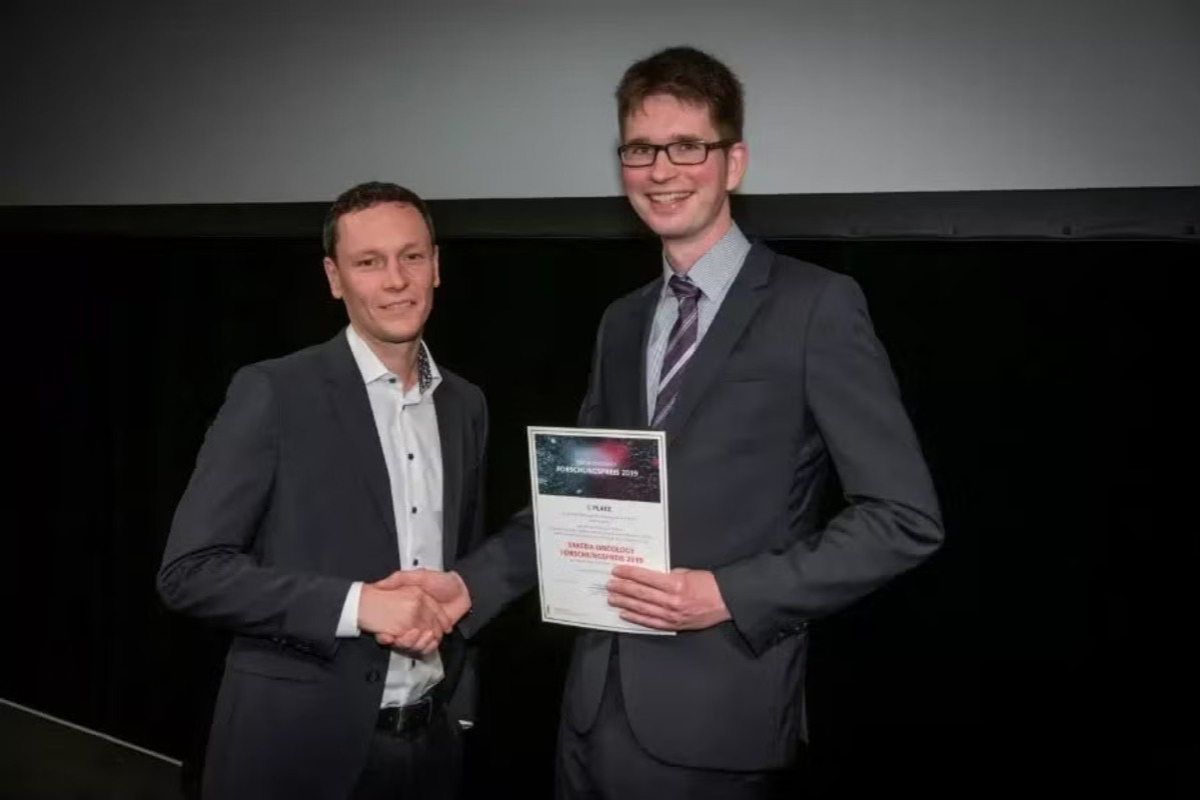
1. Platz: 30.000 €
Dr. med. Marcel Wiesweg, Universitätsklinikum Essen:
The Immunotarget registry: Immune checkpoint inhibitors for patients with advanced lung cancer and oncogenic driver alterations
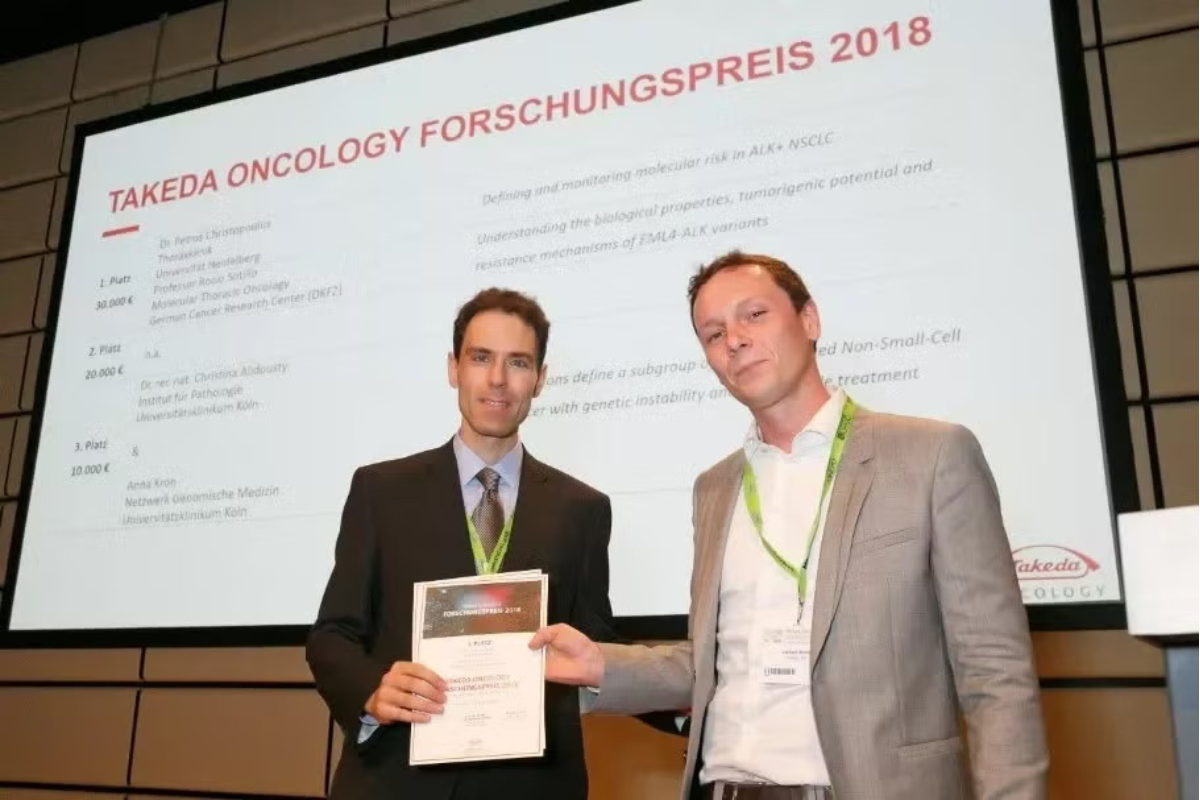
1. Platz: 30.000 €
Die nachfolgenden zwei Arbeiten haben den Takeda Oncology Forschungspreis 2018 – NSCLC der Takeda Pharma Vertrieb GmbH & Co. KG in Höhe von jeweils 30.000 € gewonnen:
- Dr. med. Petros Cristopoulos, Thoraxklinik an der Universität Heidelberg, für seine Arbeit „Defining and monitoring molecular risk in ALK+ NSCLC“
sowie - Prof. Dr. med. Rocio Sotillo, DKFZ Heidelberg, für ihre Arbeit „Understanding the biological properties, tumorigenic potential and resistance mechanisms if EML4-ALK variants”